
Printable Acls Algorithms
Printable Acls Algorithms - Cascading numbered boxes correspond to actions the provider should perform in sequence. Explore the aha’s cpr and ecc algorithms for adult, pediatric, and neonatal resuscitation. Heart rate typically >150/min if tachyarrhythmia. Refer to your specific device’s recommended energy level to maximize first shock success. Once advanced airway is in place, give 1 breath every 6 seconds (10 breaths/min) with continuous. • minimize interruptions in compressions. Each box is separated by an arrow that signifies the pathway the provider should take. Acute coronary syndromes algorithm—2015 update time from onset of symptoms ≤12 hours? Prepare for aha acls today! Acls 2020 algorithms brought to you by: Gain instant access to all of the practice tests,. Refer to your specific device’s recommended energy level to maximize first shock success. Each box is separated by an arrow that signifies the pathway the provider should take. Ecg interpretation concurrent ed assessment (<10 minutes) • check vital signs; Acute coronary syndromes algorithm—2015 update time from onset of symptoms ≤12 hours? This algorithm is based on the latest (2015) american heart association standards and guidelines. Shout for help/activate emergency response © 2016. Heart rate typically >150/min if tachyarrhythmia. American heart association created date: 2 minutes, or sooner if. Aha acls adult cardiac arrest algorithm. Acls 2020 algorithms brought to you by: If petco2 is low or decreasing, reassess cpr quality. Change compressor every 2 minutes, or sooner if fatigued. Once advanced airway is in place, give 1 breath every 6 seconds (10 breaths/min) with continuous. Heart rate typically >150/min if tachyarrhythmia. Shout for help/activate emergency response © 2016. Cascading numbered boxes correspond to actions the provider should perform in sequence. Explore the aha’s cpr and ecc algorithms for adult, pediatric, and neonatal resuscitation. Perform waveform capnography or capnometry to confirm and monitor et tube placement. 6 mg rapid iv push; Resume cpr immediately for 2. Adult tachycardia with a pulse algorithm assess appropriateness for clinical condition. Ecg interpretation concurrent ed assessment (<10 minutes) • check vital signs; Perform waveform capnography or capnometry to confirm and monitor et tube placement. Resume cpr immediately for 2. 2 minutes, or sooner if. Cascading numbered boxes correspond to actions the provider should perform in sequence. Perform waveform capnography or capnometry to confirm and monitor et tube placement. Gain instant access to all of the practice tests,. Heart rate typically >150/min if tachyarrhythmia. American heart association created date: 6 mg rapid iv push; Perform waveform capnography or capnometry to confirm and monitor et tube placement. Refer to your specific device’s recommended energy level to maximize first shock success. Ecg interpretation concurrent ed assessment (<10 minutes) • check vital signs; If petco2 is low or decreasing, reassess cpr quality. 2 minutes, or sooner if. Aha acls adult cardiac arrest algorithm. Explore the aha’s cpr and ecc algorithms for adult, pediatric, and neonatal resuscitation. Perform waveform capnography or capnometry to confirm and monitor et tube placement. 2 minutes, or sooner if. Explore the aha’s cpr and ecc algorithms for adult, pediatric, and neonatal resuscitation. Acls 2020 algorithms brought to you by: If petco2 is low or decreasing, reassess cpr quality. Use aed as soon as it is available. 2 minutes, or sooner if. Perform waveform capnography or capnometry to confirm and monitor et tube placement. Cardiac arrest algorithm c o n t i n u o u s c p r — m o n i t o r c p r start high quality cpr 30:2 100—120 per minute. Change compressor every 2 minutes, or sooner if fatigued. Resume cpr immediately for 2. Cascading numbered boxes correspond to actions the provider should perform in sequence. Full acls access starting at $19.95. If petco2 is low or decreasing, reassess cpr quality. Once advanced airway is in place, give 1 breath every 6 seconds (10 breaths/min) with continuous. American heart association created date: Explore the aha’s cpr and ecc algorithms for adult, pediatric, and neonatal resuscitation. • minimize interruptions in compressions. Download this checklist to help keep track of your progress on the site. Once advanced airway is in place, give 1 breath every 6 seconds (10 breaths/min) with continuous. Perform cycles of 30 compressions and 2 breaths. Cardiac arrest algorithm c o n t i n u o u s c p r — m o n i t o r c p r start high quality cpr 30:2 100—120 per minute compression fraction > 60—80 % give oxygen. Use aed as soon as it is available. Download this checklist to help keep track of your progress on the site. Perform waveform capnography or capnometry to confirm and monitor et tube placement. American heart association created date: If petco2 is low or decreasing, reassess cpr quality. Heart rate typically >150/min if tachyarrhythmia. 2 minutes, or sooner if. Explore the aha’s cpr and ecc algorithms for adult, pediatric, and neonatal resuscitation. Change compressor every 2 minutes, or sooner if fatigued. • minimize interruptions in compressions. Prepare for aha acls today! Adult tachycardia with a pulse algorithm assess appropriateness for clinical condition. Acls 2020 algorithms brought to you by:
ACLS Cards Printable

Acls Algorithm 2021 Printable
Printable Acls Algorithms

ACLS Algorithms Free Printable
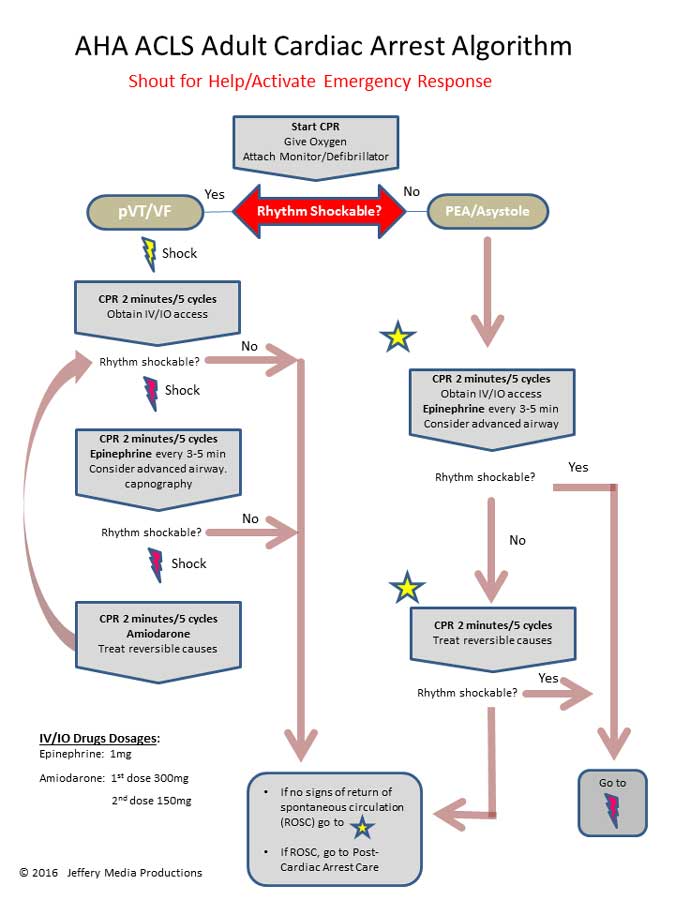
ACLS algorithm overview

Printable Acls Algorithms Cheat Sheets
Printable Acls Algorithms Ekg
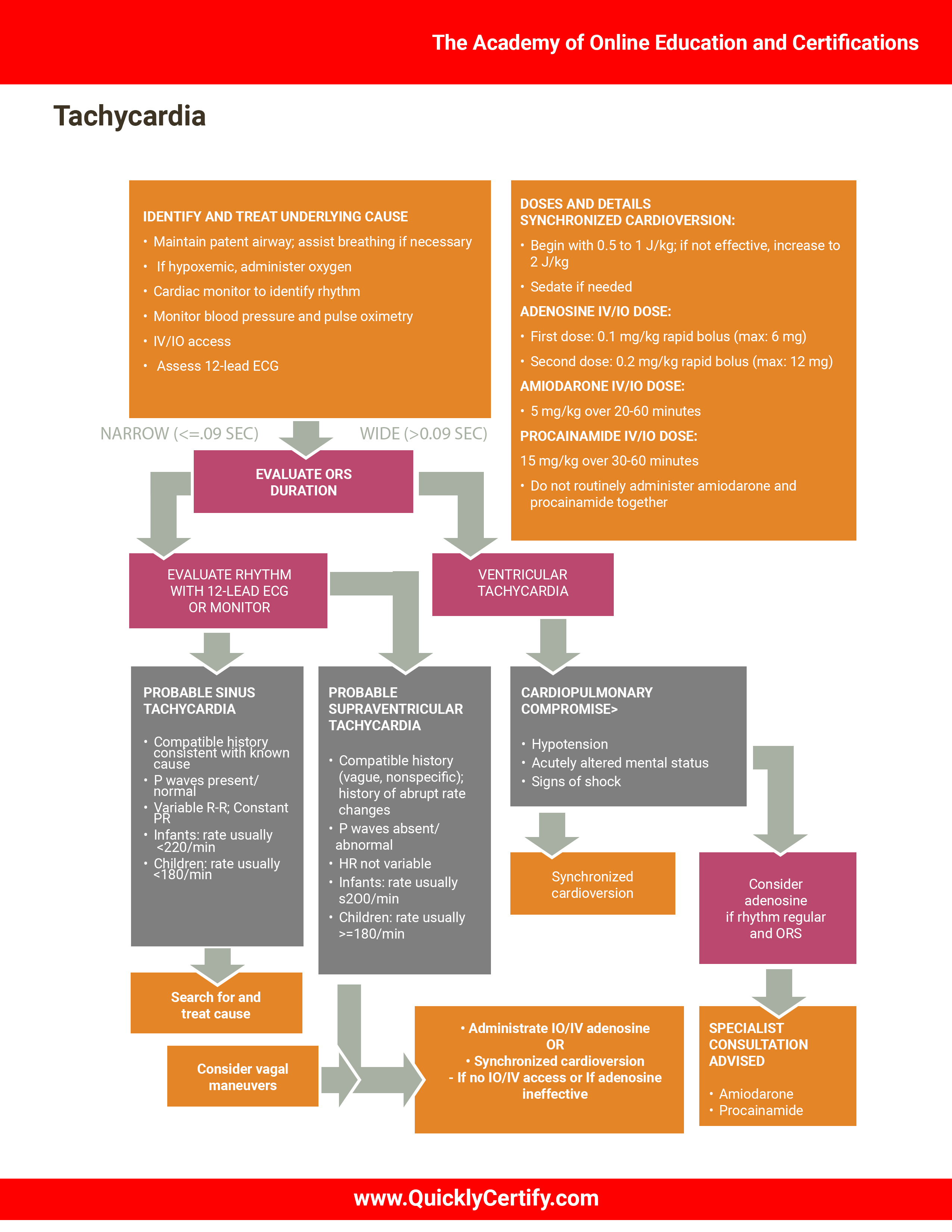
Advanced Cardiac Life Support Algorithms The Institute of Continuing

ACLS Algorithms 2020 (Advanced Cardiac Life Support) Basic Life Support
New ACLS guidelines 2020 update nursing
6 Mg Rapid Iv Push;
Refer To Your Specific Device’s Recommended Energy Level To Maximize First Shock Success.
Each Box Is Separated By An Arrow That Signifies The Pathway The Provider Should Take.
2 Minutes, Or Sooner If.
Related Post:
